It’s likely that if you’re reading this, you either enjoy CBD or nicotine or you’re interested in learning more about how these two widely used compounds compare. Cannabidiol, or CBD, is a naturally occurring substance that is present in the cannabis plant and is known for its beneficial effects on health. Contrarily, nicotine is a highly addictive substance present in tobacco that has been connected to a number of medical issues.
While the usage of CBD and nicotine may appear to be contemporary phenomena, their histories go back much further. While tobacco use may be dated back to the Americas in the ninth century, the use of CBD for therapeutic purposes dates to ancient China and India.
This article compares and contrasts the effects of CBD and nicotine on the body and mind in order to offer knowledge and suggestions based on firsthand experience. I can vouch for the fact that both substances have distinct advantages and disadvantages because I have used them both. You should continue reading to learn more about the interesting world of CBD and nicotine, whether you’re trying to stop smoking or are just curious about how these drugs affect you.
The Science Behind CBD and Nicotine
Understanding the Chemical Make-Up and Characteristics of CBD
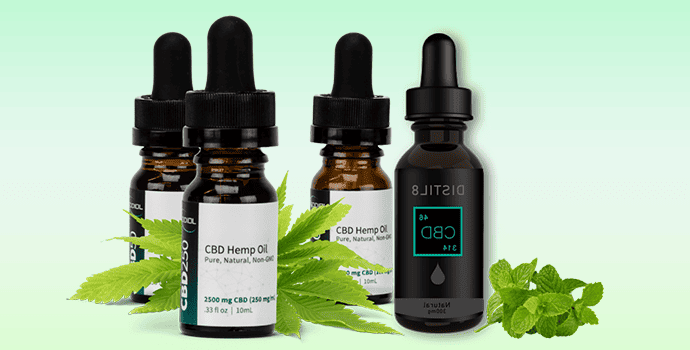
It’s critical to first comprehend the chemical makeup of CBD in order to comprehend its physiological impacts. One of the more than a hundred cannabinoids—compounds found in the cannabis plant—is CBD. In contrast to THC, CBD is not intoxicating and doesn’t provide a “high.”
CBD is made up of 21 carbon atoms, 30 hydrogen atoms, and 2 oxygen atoms at the molecular level. It can interact with the body’s endocannabinoid system, a network of receptors spread throughout the body that controls a number of physiological functions, according to its distinctive structure.
As soon as CBD enters the body, it attaches to particular receptors in the endocannabinoid system, setting off a series of reactions that may relieve pain, reduce inflammation, and enhance mood. Additionally, it has been demonstrated that CBD possesses antioxidant capabilities, which may aid in preventing cellular damage brought on by free radicals.
The fact that CBD is biphasic, or that it can have diverse effects at various doses, is one of the substance’s most intriguing features. For instance, it has been demonstrated that low dosages of CBD have a stimulating impact, whilst greater amounts may have a sedative effect. Because of this, CBD is a flexible chemical that may be used for a range of objectives, from fostering relaxation to enhancing attention and concentration.
I can speak from personal experience when I say that CBD is very good at reducing anxiety and improving sleep. It’s crucial to remember that the effects of CBD can differ based on the dosage, ingestion method, and individual physiology.
Understanding Nicotine’s Chemical Structure and Properties

Cigarettes, cigars, and e-cigarettes all contain nicotine, a substance that is very addicting. It is an oily, colorless liquid with a distinct flavor and aroma. 14 carbon atoms, 10 hydrogen atoms, and 2 nitrogen atoms make up its chemical make-up.
When nicotine enters the body, it quickly crosses the blood-brain barrier and binds to particular brain receptors, causing the release of dopamine and other neurotransmitters that produce a feeling of reward and pleasure. Due to the brain’s association of nicotine use with the enjoyable experience, nicotine is highly addictive.
Although nicotine is frequently linked with smoking, it can also be present in products that are meant to assist people stop smoking, such as nicotine gum and patches. These products can however still have addictive qualities and have negative side effects include nausea, vertigo, and headaches.
In my own experience, nicotine can temporarily increase energy and focus, but the risks are not worth the benefits over the long run. Addiction to nicotine can be challenging to break and can result in a wide range of health complications, including cancer, cardiovascular disease, and respiratory problems.
Nicotine and CBD’s Effects on the Body
CBD and nicotine have different effects on the body. While nicotine has an impact on the brain’s reward system, CBD interacts with the endocannabinoid system.
CBD and the Endocannabinoid System
The body’s extensive network of receptors known as the endocannabinoid system plays a role in the regulation of many physiological functions, including appetite, pain perception, mood, and sleep. To exert its effects, CBD interacts with these receptors, particularly the CB1 and CB2 receptors.
CBD binds to these receptors as it enters the body and has a number of effects. For instance, studies on CBD have revealed that it can lower inflammation, ease pain, and elevate mood. Additionally, CBD has been shown to support neurogenesis, the development of new brain neurons, which may aid in the enhancement of cognitive performance.
Overall, the endocannabinoid system is crucial for controlling a variety of bodily physiological functions, and CBD has been discovered to interact with this system in a way that is advantageous.
Nicotine and the Reward System in the Brain
By causing the release of dopamine, a neurotransmitter that fosters a sense of pleasure and reward, nicotine has an impact on the brain’s reward system. Nicotine quickly crosses the blood-brain barrier when ingested and attaches to certain brain receptors to release dopamine and other neurotransmitters when it connects to these receptors.
Due to the brain’s association of nicotine use with the enjoyable experience, nicotine is highly addictive. Addiction develops as the brain grows more dependent on nicotine to provide the same pleasurable effects.
While nicotine may give a brief feeling of pleasure and reward, the hazards associated with addiction and health problems outweigh these benefits in the long run.
Nicotine and CBD interactions
The Numerous Health Advantages of CBD
CBD’s possible health advantages have attracted a lot of interest. I have personally experienced the following three benefits, in particular:
Relieving pain
It has been demonstrated that CBD has pain-relieving qualities. This is due to the way CBD interacts with the endocannabinoid system’s receptors, which helps control pain perception. In particular, it has been discovered that CBD is efficient in relieving chronic pain brought on by illnesses like multiple sclerosis and rheumatoid arthritis.
I can speak from personal experience when I say that CBD is effective at reducing muscle aches after exercise. I’ve discovered that using a CBD-infused lotion for a post-workout massage or just swallowing a CBD tablet will effectively relieve discomfort.
Both worry and depression
Additionally, it has been discovered that CBD may help people with sadness and anxiety. According to research, CBD interacts with mood-regulating receptors in the brain to help lessen the symptoms of anxiety and sadness.
A sensation of peace and relaxation that is aided by CBD can be beneficial for controlling stress and anxiety, in my own experience. It’s crucial to remember that CBD should not be used as the only treatment for anxiety or depression and is not a replacement for expert mental health care.
Properties that Reduce Inflammation
CBD has been discovered to possess anti-inflammatory qualities, which may aid in lowering bodily inflammation. Numerous health issues, including autoimmune illnesses, heart disease, and cancer, have been related to chronic inflammation.
My own experience has shown me that CBD can be effective in reducing inflammation brought on by ailments like arthritis. I’ve discovered that CBD can be an efficient approach to manage inflammation without having to turn to prescription meds, whether it’s using a CBD-infused lotion or taking CBD capsules.
Nicotine’s Negative Effects
While nicotine could provide you a brief feeling of pleasure and fulfillment, you shouldn’t ignore how bad it is for your body. Here are three such adverse outcomes that I have personally encountered:
Addiction
Because of its high potential for addiction, nicotine can cause dependency and withdrawal symptoms. This is so because nicotine causes the brain’s dopamine to be released, giving the user a sensation of pleasure and reward. Addiction results from the brain’s gradual dependence on nicotine to provide this sensation.
I can speak from personal experience when I say that nicotine addiction makes quitting a difficult task. To help people give up smoking or using nicotine, there are several options available, including support groups and nicotine replacement medications.
Respiratory conditions
Particularly for people who smoke cigarettes or use e-cigarettes, nicotine usage can also result in respiratory problems. Smoking can harm your lungs and potentially lead to lung cancer and chronic bronchitis. E-cigarettes, which are frequently promoted as a less harmful alternative to smoking, can nevertheless harm the lungs and create respiratory issues.
I know from my own experience that smoking can be very bad for the respiratory system. I saw a noticeable improvement in my lung health and general respiratory function after I stopped smoking.
Cardiovascular Conditions
Additionally, cardiovascular issues like high blood pressure and heart disease have been related to nicotine usage. The blood vessels’ tendency to constrict due to nicotine can raise the risk of heart attack and stroke.
I know from personal experience that giving up nicotine can improve cardiovascular health. My blood pressure dropped after I stopped smoking, and my overall heart health improved.
Nicotine vs. CBD for Quitting Smoking

Nicotine and CBD’s role in helping people stop smoking
Smoking is a habit that can be very difficult to break, but CBD and nicotine have both been identified as viable remedies. Let’s examine how these two substances can assist smokers in quitting smoking in more detail.
Cannabidiol, sometimes known as CBD, is a non-psychoactive ingredient found in cannabis plants. It doesn’t make you high, but it does have a number of possible health advantages, such as the capacity to lessen tension and anxiety. This is especially important for smokers because many of them use cigarettes to deal with these emotions. Smokers may be able to lessen cravings and ease the transition away from smoking by using CBD instead.
Contrarily, nicotine is the addictive substance in cigarettes that causes smokers to repurchase them time and time again. How therefore can it possible aid in quitting smoking? The idea of nicotine replacement therapy (NRT) holds the key to the solution. Through techniques like patches or gum, NRT entails delivering smokers a modest, regulated dosage of nicotine. Smokers can gradually wean themselves off the substance without the negative physical and psychological repercussions of quitting abruptly by having a source of nicotine that is not breathed through cigarette smoke.
Of fact, cessation aids like CBD and NRT are just that—tools. In the end, giving up smoking is a difficult and incredibly personal journey that looks different for each individual. However, for anyone who is having trouble quitting smoking, the potential advantages of these tools are unquestionably something to think about. And hey, if nothing else, you’ll at least have a justification to savor some CBD gummies and chew some nicotine gum!
Studies comparing the efficacy of CBD and nicotine for quitting smoking
Many people use nicotine replacement therapy (NRT) in the form of patches, gum, or other items to stop smoking. Recent studies suggest that CBD might be a more successful smoking cessation aid, nevertheless.
In a 2018 study that was published in the journal Addiction, researchers compared CBD’s ability to aid in quitting smoking to that of a placebo. According to the study, people who used CBD had twice the likelihood of quitting smoking than those who took a placebo. Additionally, compared to the placebo group, those who took CBD reported fewer cravings and less anxiety.
This could be explained by the fact that CBD may lessen the tension and anxiety that frequently accompany quitting smoking. As was already noted, smoking is a common strategy for smokers to deal with these emotions. Smokers may be able to treat the underlying causes of their addiction and lessen their reliance on nicotine by taking CBD instead.
NRT can, however, still be a beneficial tool for some smokers, it’s important to remember that. NRT can raise a smoker’s odds of quitting by 50–70%, according to a review from 2014 that was included in the Cochrane Database of Systematic Reviews. The same review did point out that there is no one-size-fits-all strategy for quitting smoking and that certain approaches are more effective for various people.
Therefore, even if CBD may be a promising aid for quitting smoking, it’s vital to keep in mind that it’s not a miracle cure. Finding the correct resources and support networks to assist you on your journey to quitting smoking is crucial since it takes a lot of effort and commitment. But hey, who are we to criticize if you want to try some CBD candies or a vape pen to help you quit? Just be sure to consult your physician beforehand!
Potential negative consequences of using CBD instead of nicotine to stop smoking
While both CBD and nicotine can be helpful substances for quitting smoking, it’s crucial to think about any possible negative effects before using them.
Let’s first examine CBD. Although CBD is usually regarded as safe, some people may have some adverse effects. Dry mouth, lightheadedness, and adjustments in mood or appetite are a few of these. Additionally, if you take any prescription pharmaceuticals, it’s crucial to see your doctor before using CBD because it may interfere with some of them.
Most smokers are aware of the possible negative consequences of nicotine. These include, among others, nausea, headaches, and elevated heart rate. The risk of heart disease and other health issues can rise with continued nicotine use.
It is important to remember that using nicotine replacement therapy (NRT), such as patches or gum, typically has fewer negative effects than smoking. However, some people may still have adverse effects including gastrointestinal problems or skin discomfort.
In the end, choosing between CBD and nicotine as a smoking cessation aid should be decided in cooperation with a healthcare professional. They can assist you in weighing the advantages and disadvantages of each choice to choose the best course of action for your particular circumstances.
Of course, it’s crucial to keep in mind that giving up smoking is a challenging process that frequently contains obstacles and setbacks. It’s crucial to remain dedicated to your goals and, if necessary, seek assistance from friends, family, or professional resources, whether you decide to use CBD, NRT, or any other way. After all, the proverb “Quitters never win, but winners never quit” applies to smokers as well.
Legal Status and Availability of CBD and Nicotine
Legal status of CBD and Nicotine
Depending on where you live and how the drugs are taken, CBD and nicotine may or may not be legal in your area.
For instance, nicotine is acceptable for adult use and purchase in the United States. The sale of nicotine products is nevertheless subject to significant limitations, especially to minors. Attempts to control flavored nicotine products, which some claim are intended to appeal to younger users, have also been made in recent years.
The legal situation with regard to CBD is a little more complex. The 2018 Farm Bill made CBD derived from hemp lawful as long as it has less than 0.3% THC (the psychoactive ingredient in cannabis). Despite some states’ legalization of marijuana for medical or recreational purposes, CBD generated from marijuana remains unlawful under federal law.
It’s also important to note that while the FDA has approved the CBD-based medication Epidiolex for the treatment of specific forms of epilepsy, the FDA has not yet approved CBD for any specific medical problems. This has caused some ambiguity and inconsistency in the regulation and marketing of CBD products.
Therefore, even if CBD and nicotine are both commonly permitted in some form, it’s crucial to be aware of the local rules and ordinances. It’s crucial to use them carefully and in compliance with any applicable laws and standards, just like you would with any substance. After all, you don’t want to find yourself in legal trouble or, even worse, suffering from nicotine or CBD-induced dyspepsia!
Products containing CBD and nicotine are available.
Several variables, like as where you reside, the particular items you’re looking for, and local laws, can affect the availability of CBD and nicotine products.
Although there may be limitations on where and how they can be sold, nicotine products like cigarettes, cigars, and smokeless tobacco are generally accessible in the majority of the world’s countries. Although they may occasionally need a prescription, nicotine replacement therapy (NRT) items including patches, gum, and lozenges are also frequently offered in pharmacies and other merchants.
The use of CBD products can be a little more difficult. There are still certain limitations on how CBD made from hemp can be promoted and sold, despite the fact that it is permitted under federal law in the United States. For instance, CBD products cannot make specific health claims before receiving FDA approval. Additionally, some states have imposed additional limitations on CBD products, such as caps on the permitted product categories or THC content thresholds.
In general, consumers can find CBD products in a range of retail locations, including specialized shops, internet merchants, and even some supermarkets and drugstores. But it’s crucial to do your homework and make sure you’re purchasing high-quality, trustworthy goods that are acceptable in your region.
Naturally, there are other considerations to take into account while deciding between CBD and nicotine as a smoking cessation aid. It’s crucial to consider the potential advantages and disadvantages of each substance, and if necessary, seek medical advice. Having a low-quality CBD product that tastes like burnt popcorn or, worse yet, a pack of smokes that sends you back down the path to addiction is the last thing you want.
Comparison of CBD and nicotine product costs and availability
Here is a table showing how much CBD and nicotine cost and where to buy them:
| Product | Price Range | Accessibility |
| Nicotine | $5-$15 per pack | Widely available in most stores and online retailers |
| Nicotine Replacement Therapy (NRT) | $20-$50 per pack | Available in pharmacies and drugstores, may require a prescription in some cases |
| CBD Oil | $20-$100 per bottle | Widely available in specialty stores, online retailers, and some drugstores and supermarkets |
| CBD Edibles | $10-$50 per package | Available in specialty stores and online retailers |
| CBD Vape Cartridges | $30-$60 per cartridge | Available in specialty stores and online retailers |
As you can see, nicotine products are typically readily available and reasonably priced. Although NRT products can be a little more expensive, most pharmacies and drugstores still carry them.
Depending on the quality and concentration of the product, the cost of CBD products might vary significantly. Although some products are also offered in drugstores and supermarkets, they are often extensively accessible at specialized shops and online merchants.
Conclusion
In conclusion, both CBD and nicotine are possible cessation aids, but they function in distinct ways. CBD may be useful for easing worry and tension, which can be significant smoking triggers. Contrarily, using nicotine as a substitute for the nicotine in cigarettes can help lessen cravings and withdrawal symptoms.
It’s crucial to keep in mind each substance’s potential adverse effects and legal standing when weighing your selections. Compared to nicotine, which can cause nausea, headaches, and an elevated heart rate, CBD may produce dry mouth, drowsiness, and changes in appetite or mood. Additionally, nicotine is permitted for adult use and purchase in many nations, whereas CBD derived from hemp is lawful in most of the world.
In the end, using CBD or nicotine as a cessation aid is a personal decision that should be taken in cooperation with a healthcare professional. Both substances have potential advantages and disadvantages, and what is effective for one individual may not be effective for another.
But before attempting anything new, it’s crucial to approach these possibilities with a healthy dose of skepticism and to conduct study. It’s crucial to look for high-quality, reliable sources and to be wary of any claims that appear too good to be true because there are many items on the market that might not be useful or might even be hazardous.
Here are some suggestions to bear in mind if you’re thinking about utilizing CBD or nicotine as a help to stop smoking:
- Before beginning any new treatment, consult your physician or other healthcare professional.
- Do your homework and look for reliable information and product sources.
- Be knowledgeable about each substance’s potential adverse effects and legal standing.
- Think about experimenting with several techniques or method combinations to discover what works best for you.
- Consult with friends, family, or experts for assistance as needed.
In the end, giving up smoking is a challenging process that demands a lot of commitment and effort. But it is possible to escape the grip of addiction and lead a healthier, smoke-free life with the correct resources and assistance.