

In today’s world, cigarette packaging standards can vary considerably, raising the question – How many cigarettes are actually in a pack? The answer to this query might seem straightforward, but there’s more to this than meets the eye.

A Brief History of Cigarettes
The Evolution of Cigarette Design
Cigarettes, as we know them today, have evolved significantly over time. The initial design of cigarettes was quite different, with each cigarette hand-rolled and sold individually. It wasn’t until the late 19th century that the concept of packaged cigarettes took hold. Interestingly, the design of the cigarette pack has had a profound impact on consumer behavior, creating a smoking culture that thrives on familiarity and routine.
Why Cigarettes are Packed the Way They Are
The number of cigarettes in a pack isn’t random. Tobacco companies use specific pack sizes and designs to attract consumers and distinguish their products from competitors. Various elements, like branding, colors, and the number of cigarettes in a pack, contribute to a smoker’s brand loyalty.
Global Standards for Cigarette Packaging

Comparison Between Different Countries
The number of cigarettes in a pack can vary from country to country. In the U.S., a standard pack contains 20 cigarettes, whereas in Japan, you may find packs with 25 cigarettes. These differences arise from cultural, economic, and legal variations across regions.
Factors Determining the Number of Cigarettes in a Pack
Legal regulations, taxation policies, and market competition are significant factors determining the quantity of cigarettes in a pack. These elements are carefully balanced to ensure consumer satisfaction while adhering to public health policies and economic strategies.
Detailed Analysis: How Many Cigarettes in a Pack
Industry Standards
Number of Cigarettes in a Regular Pack
In the global cigarette industry, a standard or regular pack, known colloquially as a ‘short pack’, typically contains 20 cigarettes. This particular standard has been adopted by a majority of countries and is universally recognized by consumers.

This number is neither arbitrary nor coincidental. It was chosen in the early 20th century during the mass production of cigarettes, when manufacturing innovations enabled the efficient production of packs containing 20 cigarettes. These packs were easy to distribute and provided a reasonable amount of cigarettes for individual consumption.
The 20-cigarette pack also aligned well with daily smoking habits. On average, smokers would consume around 20 cigarettes per day, making a single pack an ideal measure for daily consumption. It also made pricing and taxation easier to manage at both manufacturer and retail levels.
Number of Cigarettes in a King Pack
In contrast to the regular pack, some tobacco companies offer ‘king packs’ or ‘100s’. These packs usually contain 25 to 30 cigarettes. This trend was primarily born out of market competition and consumer demand for more significant value for money.

A ‘king pack’ or ‘100s’ is larger than a regular pack, catering to heavy smokers who consume more than 20 cigarettes per day. These packs often appeal to consumers due to the perceived value – offering more cigarettes for a proportionally lesser cost than buying multiple regular packs.
The term ‘100s’ generally refers to the length of the cigarettes, measured in millimeters. However, it has been colloquially adopted to denote larger packs, though this isn’t a universal standard. The size of a ‘king pack’ varies between countries and manufacturers.
In some regions, such larger packs have been criticized due to potential implications for increased consumption. Consequently, legislation in some countries limits the maximum number of cigarettes allowed in a single pack to control tobacco use.
Through these details, it’s clear that the number of cigarettes in a pack, whether a regular or a ‘king pack’, is a complex issue influenced by a blend of historical, economic, and regulatory factors.
Deviations from the Standard
Why Some Brands Deviate from the Standard
While the 20-cigarette pack is considered the industry standard, some brands choose to deviate from this norm. These deviations can be driven by various factors, including competitive differentiation, market segmentation, and regulatory circumstances.
Competitive Differentiation: In an increasingly crowded market, brands may opt for unique pack sizes to stand out. Offering a different number of cigarettes in a pack can serve as a key differentiator, attracting consumers who are looking for variety or novelty.
Market Segmentation: Brands may also cater to specific segments of the market by offering different pack sizes. For instance, lighter smokers might prefer smaller packs with fewer cigarettes, while heavier smokers may lean towards larger packs. Brands will adapt their product offerings based on their target demographics’ consumption patterns and preferences.
Regulatory Circumstances: Legal and regulatory constraints can also dictate deviations from the standard. Some countries may have laws that limit or mandate the number of cigarettes in a pack, forcing brands to adapt their product accordingly.

Impact of Deviations on Consumer Perception
The number of cigarettes in a pack can significantly influence consumer perception and behavior. Offering a larger pack with more cigarettes might be perceived as providing better value for money, potentially prompting consumers to opt for these packs even if they end up smoking more than they initially intended.
On the other hand, smaller packs with fewer cigarettes could appeal to individuals who are trying to reduce their smoking habits or who prefer the convenience of a compact pack.
Moreover, deviations from the standard pack size can lead to a perceived novelty effect. The unusual pack size can draw consumers’ attention, impacting brand recognition and recall.
Finally, consumer perception is also shaped by societal and cultural factors. For instance, in regions where smoking is highly regulated or stigmatized, smaller packs may be seen as a more responsible or discreet choice.
Impacts and Implications
Health Implications

Health Risks Associated with Smoking
It’s widely understood that smoking poses severe health risks. The burning of tobacco produces thousands of chemicals, many of which are harmful to human health. Among the most dangerous are nicotine, tar, and carbon monoxide. These substances can lead to a range of serious health conditions.
Nicotine is highly addictive and stimulates the release of dopamine in the brain, which creates a sensation of pleasure and reward. However, it also increases heart rate and blood pressure, contributing to cardiovascular diseases.
Tar is a sticky residue that contains various toxic and carcinogenic substances. As it’s inhaled, tar coats the lungs and can lead to lung diseases such as chronic obstructive pulmonary disease (COPD) and lung cancer.
Carbon Monoxide is a poisonous gas that interferes with the blood’s ability to carry oxygen. This can lead to shortness of breath and strain the heart, potentially leading to heart diseases.
Moreover, smoking is a leading risk factor for many types of cancer, not only lung cancer, but also cancers of the mouth, throat, esophagus, pancreas, kidney, bladder, and cervix, among others.
How the Number of Cigarettes in a Pack Influences Consumption
The number of cigarettes in a pack can influence smoking behavior and thereby impact health. Research suggests that individuals tend to consume goods in whole units, a concept known as “unit bias”. This means that a smoker is likely to finish a whole pack of cigarettes once it’s opened, regardless of the pack’s size.
In the case of packs containing more than 20 cigarettes, there’s a risk that they encourage higher daily consumption. Smokers may finish a larger pack just because the cigarettes are there, even if they would usually smoke less. This increased consumption can amplify the health risks associated with smoking.
On the other hand, smaller packs could potentially limit daily consumption. A smoker who finishes a small pack might be less likely to open a second pack in a day, leading to a reduced number of cigarettes smoked.
However, the actual impact of pack size on smoking behavior can be influenced by many factors, including individual habits, addiction levels, and societal norms. Therefore, while the number of cigarettes in a pack can play a role in consumption patterns, it’s only one piece of a much larger puzzle in understanding and addressing the health risks associated with smoking.
Economic Implications

Pricing Strategies Related to the Number of Cigarettes in a Pack
The number of cigarettes in a pack significantly influences a brand’s pricing strategy. As with many consumer goods, the per-unit cost of cigarettes generally decreases as the quantity increases. This is known as ‘economies of scale’ and is a strategy used to attract consumers to larger packs.
A pack with more cigarettes typically has a higher total price than a regular pack but a lower cost per cigarette. This can make larger packs seem like better value for money, enticing consumers to purchase them even if it results in higher overall spending and potentially greater consumption.
Conversely, smaller packs often have a lower total price due to containing fewer cigarettes, making them more accessible to consumers with less disposable income. However, the cost per cigarette in smaller packs is usually higher, making them less economical for frequent smokers.
The choice of pack size and the corresponding pricing strategy is a delicate balancing act for cigarette brands. They must consider the price sensitivity and consumption habits of their target market, regulatory restrictions, and the potential impact on brand perception.
Economic Impact of Smoking on Society
Smoking has substantial economic implications on society, extending beyond the cost of cigarettes themselves. These costs come in two primary forms: healthcare costs and productivity losses.
Healthcare Costs: Smoking-related diseases, such as lung cancer and heart disease, often require long-term treatment. These treatments can be expensive, placing a significant burden on healthcare systems. This cost is borne not only by smokers themselves but also by society at large through higher healthcare premiums and taxes.
Productivity Losses: Smoking also has an impact on productivity. Smokers tend to have more health-related absences from work than non-smokers, which can lead to reduced productivity. Additionally, premature death caused by smoking deprives society of many years of potential productive activity.
The economic impact of smoking provides a compelling argument for public health interventions, such as increasing the price of cigarettes through taxation, enforcing plain packaging, and funding smoking cessation programs. These measures aim to reduce the prevalence of smoking and thereby lessen its economic burden on society.
The Future of Cigarette Packaging
Regulatory Changes and Their Impacts
Plain Packaging and Its Influence
Plain packaging, also known as standardized packaging, is a regulatory strategy that involves removing all branding elements from cigarette packs, leaving only a uniform, usually drab color and health warnings. This policy is intended to reduce the appeal of smoking, particularly among youth and new smokers.

Research shows that plain packaging can effectively decrease the attractiveness of cigarette packs, reducing the perceived quality of the products. The absence of brand imagery and the emphasis on health warnings also increase awareness of the risks associated with smoking, contributing to a decline in smoking rates.

However, plain packaging regulations have met with strong opposition from the tobacco industry, which argues that they infringe upon intellectual property rights and fail to effectively reduce smoking rates. Despite these challenges, many countries, including Australia, the UK, and France, have implemented plain packaging laws and reported positive results.

How Future Regulations Might Alter Packaging
As public health authorities continue to tackle smoking, we can expect further regulatory changes that could significantly alter cigarette packaging. Here are a few possibilities:
Health Warnings: Many jurisdictions already require health warnings on cigarette packs, but these could become more prominent. We might see larger, more graphic warnings or even photos depicting the health effects of smoking.
Reduced Pack Size: To discourage heavy smoking, authorities might impose regulations to reduce the number of cigarettes in a pack. Smaller packs could potentially limit consumption and make smoking less convenient.
Track and Trace Systems: To combat illicit trade and ensure compliance with tax laws, authorities could mandate track and trace systems. These would involve unique, scannable codes on each pack to verify its authenticity and track its distribution.
Restrictions on Additives: Regulations could also be introduced to limit or ban certain additives in tobacco products, with corresponding changes to packaging to inform consumers of these adjustments.
As these potential regulations suggest, the future of cigarette packaging is likely to involve an increased focus on discouraging smoking and promoting public health. While these changes may pose challenges for the tobacco industry, they represent important steps towards reducing the global burden of tobacco-related disease.
Innovations in Cigarette Packaging
Eco-friendly Packaging Solutions
Sustainability and environmental responsibility have become significant concerns in the modern consumer market, and the tobacco industry is no exception. As a response, we’re seeing a shift towards eco-friendly packaging solutions in the sector.
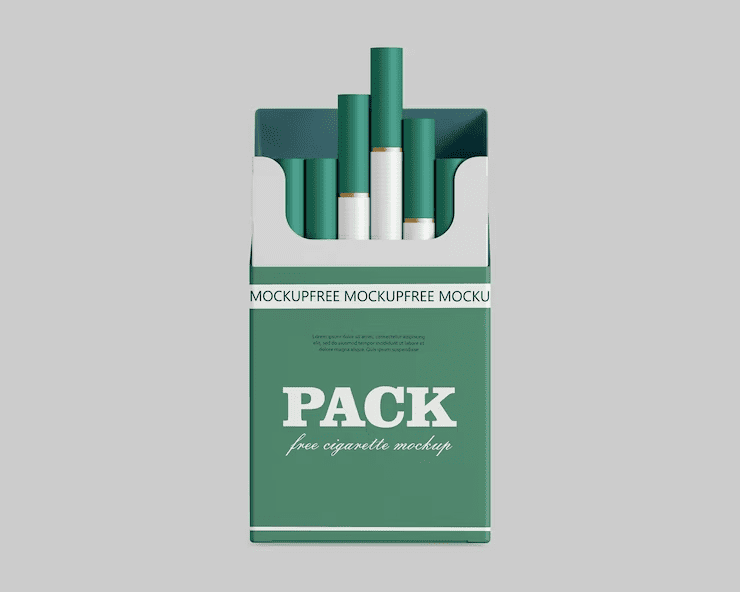
Biodegradable packaging is one such innovation. Traditionally, cigarette packs have been made of a combination of paper, foil, and plastic, which are not entirely biodegradable. To counteract this, some companies are exploring the use of materials such as recycled paper, biodegradable plastics, or even plant-based materials in their packaging.
Additionally, manufacturers are starting to consider the environmental impact of cigarette butts, which are among the most littered items globally. Some brands are introducing biodegradable filters or offering portable ashtrays with their packs to encourage responsible disposal.
These eco-friendly solutions not only help to reduce the environmental impact of smoking but can also improve brand image and appeal to environmentally conscious consumers.
Novel Packaging Designs and Their Market Response
In addition to sustainability, packaging innovation in the tobacco industry also involves creating new designs to differentiate brands and engage consumers. This is particularly relevant in regions where regulations allow a certain degree of creativity in packaging.
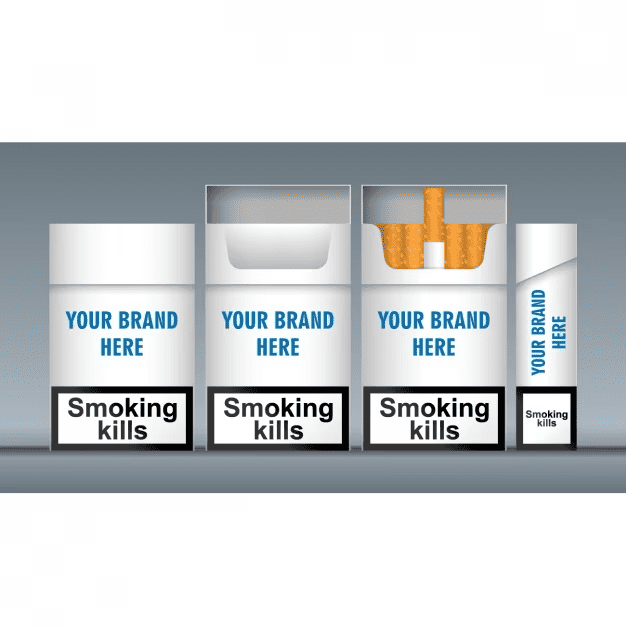
Some brands are introducing novel packaging structures that improve user convenience. For instance, “clamshell” packs that open to reveal the cigarettes in a single layer, rather than the traditional flip-top boxes that stack cigarettes in two layers. These designs provide easy access and can create a unique unboxing experience for the consumer.
In terms of aesthetics, brands are experimenting with textures, colors, and artwork to make their packs stand out. Some are even creating limited-edition designs or collaborating with artists to produce collectible packs.
The market response to these innovations is generally positive. Novel and engaging packaging can create a sense of novelty and excitement, enhancing brand loyalty and encouraging repeat purchases. However, it’s important to note that these packaging strategies must be balanced with regulatory requirements and public health considerations, given the harmful effects of smoking.
Conclusion
While it may seem like a simple question, the number of cigarettes in a pack carries significant implications for health, economics, and even the environment. As the world continues to evolve, we can anticipate these factors to significantly impact the future of cigarette packaging.
Visit https://customvapepackaging.com/ for more insights into the world of cigarette packaging, its history, and future trends.