
As the Californian cannabis market continues to boom, an increasing number of entrepreneurs are venturing into this lucrative industry. Key to their success is understanding and obtaining the necessary cannabis licenses for California. This comprehensive guide will provide insights into the California cannabis license search.
A Brief History of Cannabis Licensing in California
The legal history of California’s cannabis industry is as intriguing as it is complex. From the Compassionate Use Act of 1996, which legalized medical cannabis, to Proposition 64 in 2016, which ushered in the age of adult-use cannabis, the demand for cannabis licenses has grown exponentially.
Understanding the California Cannabis Licensing System
A. Types of Cannabis Licenses
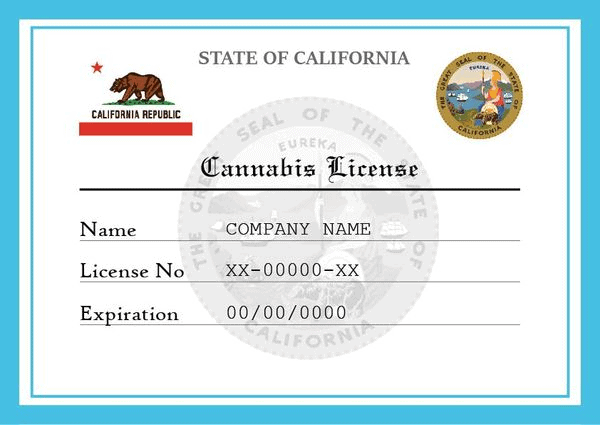
Cannabis licenses in California are issued based on the purpose and specific activities a business intends to engage in within the cannabis industry. There are two primary categories: medical and adult-use licenses, each having several subcategories. Here’s a more detailed look:
- Medical Cannabis Licenses: These are specific to businesses that intend to cater to patients who have been prescribed medical cannabis as part of their treatment regimen. The license requirements for medical cannabis are strictly regulated due to the health implications and the need for dosage accuracy. Each sector of the medical cannabis supply chain, from cultivation to retail, needs its unique license.
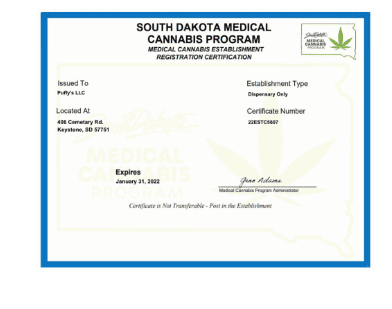
- Adult-Use Licenses: Also known as recreational licenses, these are for businesses that cater to consumers who utilize cannabis for recreational purposes. Like medical cannabis, each sector of the adult-use cannabis supply chain requires a distinct license. Although adult-use cannabis is regulated, the regulations are different than those for medical cannabis, mainly because the consumer base varies.
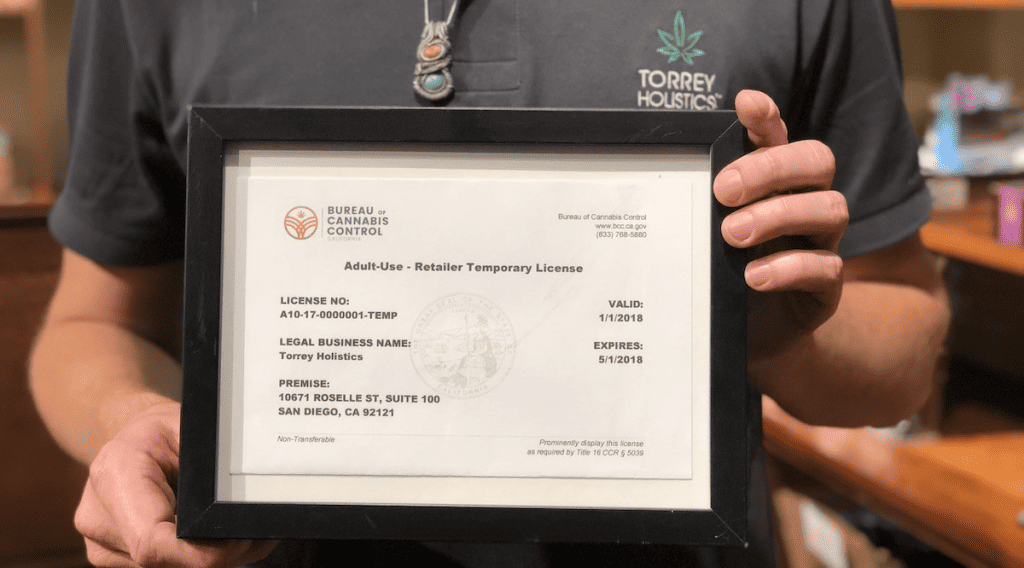
Within these two primary categories, cannabis licenses are further divided based on the nature of the business operation:
Cultivation Licenses: These licenses are for businesses involved in the growing of cannabis. It covers various cultivation methods such as indoor, outdoor, and mixed-light growing. The size of the growing area also determines the type of license needed.

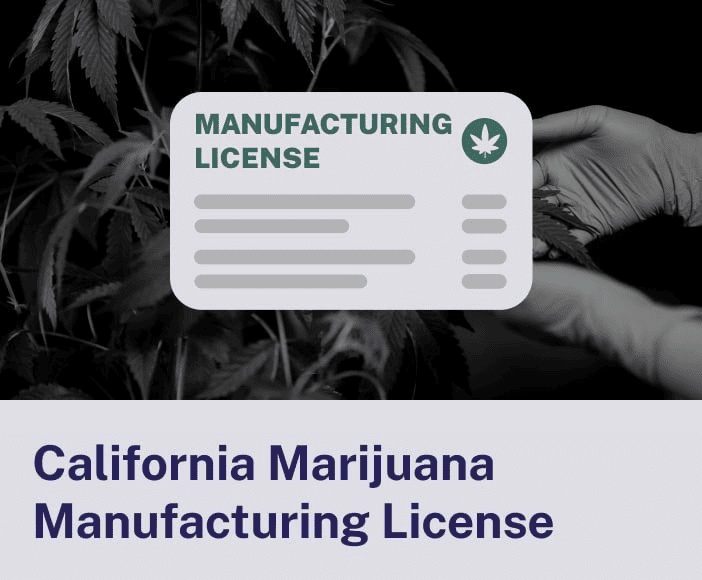
Manufacturing Licenses: These licenses are for businesses that process cannabis into different products. This includes extraction processes for making concentrates, infusing products to make edibles, and packaging and labeling for retail distribution.
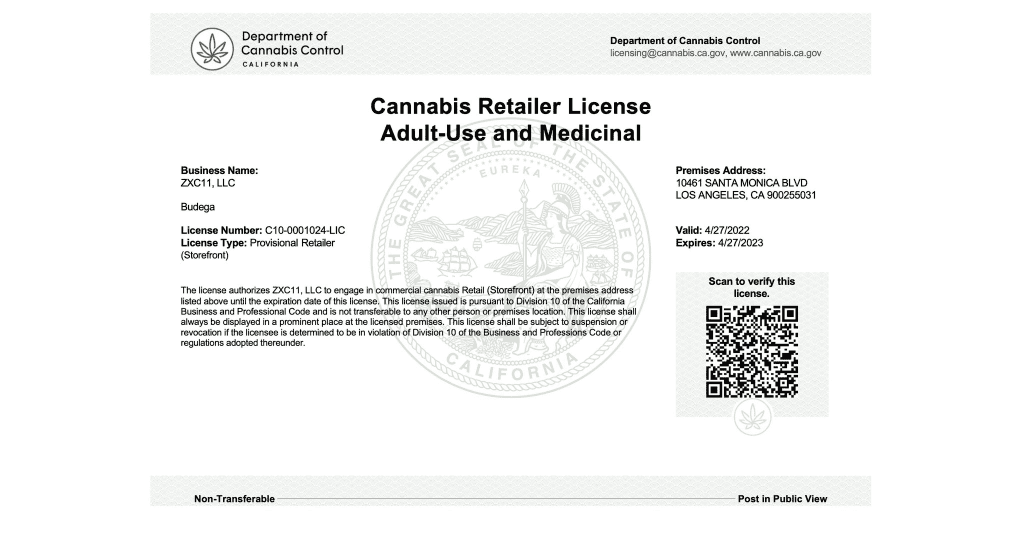
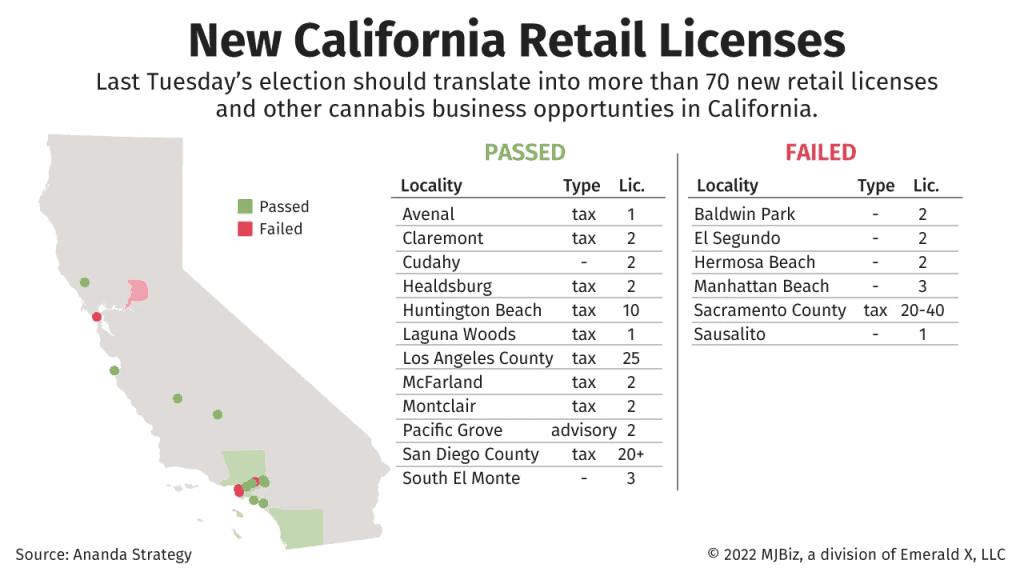
Retail Licenses: This license type is for businesses that sell cannabis products directly to consumers. It includes both physical storefronts and delivery services.
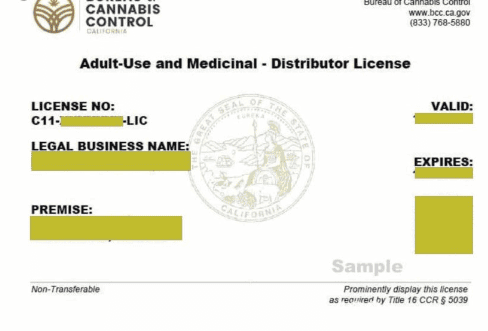
Distribution Licenses: Distributors are the intermediaries between cultivators/manufacturers and retailers. They transport cannabis goods, arrange for testing of cannabis goods, and ensure compliance with all packaging and labeling requirements.
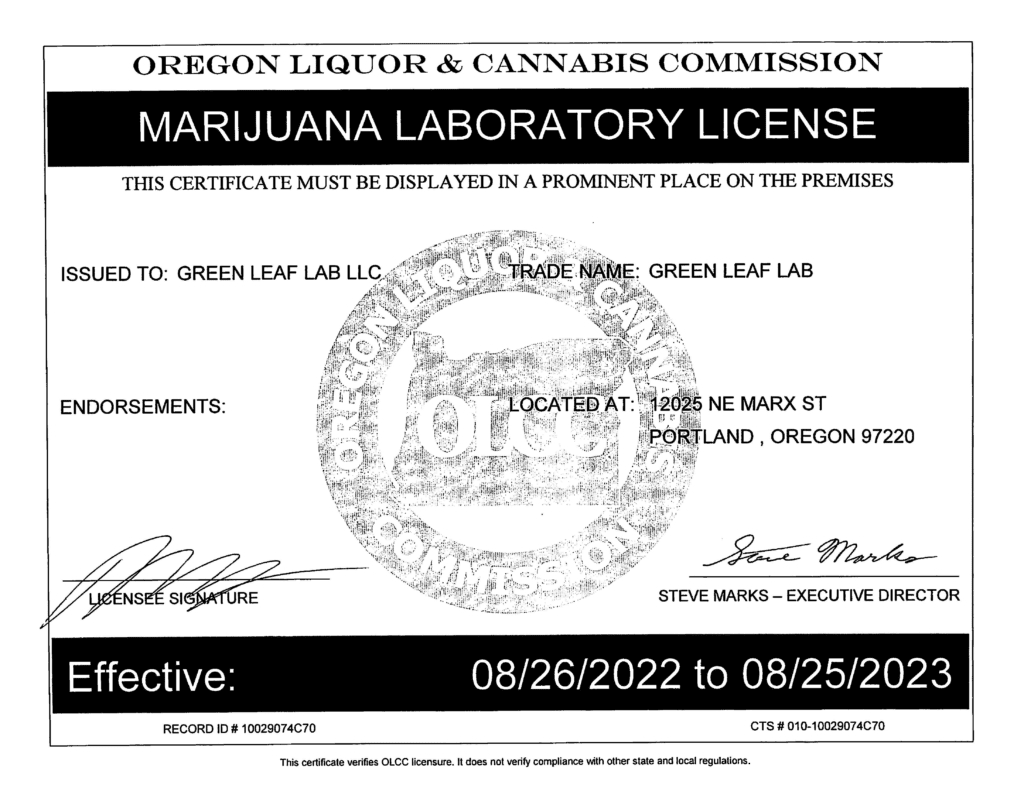
Testing Laboratory Licenses: These licenses are for laboratories that test cannabis goods for potency, contaminants, and quality. This is a critical part of the supply chain to ensure consumer safety and product integrity.
B. Relevant Licensing Agencies in California
The cannabis industry in California is regulated by three main agencies: The Bureau of Cannabis Control (BCC), the California Department of Public Health (CDPH), and the California Department of Food & Agriculture (CDFA). Each agency has a distinct role in overseeing different aspects of the industry:
Bureau of Cannabis Control (BCC): The BCC is the lead agency in regulating commercial cannabis licenses for medical and adult-use cannabis in California. They are primarily responsible for licensing retailers, distributors, testing labs, microbusinesses, and temporary cannabis events. Their mission is to protect the public and consumers by enforcing regulations, promoting transparency, and ensuring that all legal operators adhere to a standard of integrity consistent with other legal businesses in the state of California.
California Department of Public Health (CDPH): The CDPH is specifically responsible for regulating the manufacturers of cannabis products through their Manufactured Cannabis Safety Branch. They oversee all commercial cannabis manufacturing in California. The branch ensures public health and safety by creating and enforcing regulations that mandate the safe production and sale of cannabis goods, like edibles and topicals.

California Department of Food & Agriculture (CDFA): The CDFA, through its CalCannabis Cultivation Licensing division, oversees all matters relating to the cultivation of medical and adult-use cannabis in California. They are responsible for licensing cultivators and tracking the movement of cannabis through the supply chain. CDFA ensures environmental protection by enforcing cultivation laws, promoting sustainability, and minimizing potential impacts to the environment from cannabis cultivation operations.

C. The Licensing Process
Obtaining a cannabis license in California involves a multi-step process that requires careful attention to detail and compliance with various regulations. Below is a step-by-step guide to the licensing process:
- Determine License Type: Determine the specific type of cannabis license required based on the intended business activity (e.g., cultivation, manufacturing, retail, etc.). This will dictate which of the three main regulatory agencies you’ll need to engage with.
- Local Compliance: Before applying for a state license, ensure compliance with local city or county regulations. Obtain the necessary local permits, zoning clearances, and adhere to local cannabis business ordinances.
- Prepare Business Plan: Prepare a detailed business plan outlining operations, security measures, waste management, and other essential factors. This will be essential in the application process.
- Complete State Application: Apply to the relevant state agency (BCC, CDPH, or CDFA) for the specific license type. This will require detailed information about the business, including ownership, financials, and operational plans.
- Submit Required Documents: Provide all required documents, such as criminal background checks, property ownership or lease agreements, financial statements, and other necessary information.
- Environmental Compliance: For cultivation licenses, complete the necessary environmental compliance forms to ensure adherence to regulations protecting the environment.
- Pay Application Fees: Pay the relevant application fees, which vary depending on the license type and business size.
- Undergo Inspection: Once the application is processed, expect an inspection of the business premises by the regulating agency. They will assess compliance with security, safety, and operational standards.
- Await Approval: After successful inspection, the application will be reviewed, and approval can take several weeks to a few months, depending on the complexity of the application and the license type.
- Obtain Surety Bond: A surety bond may be required to guarantee compliance with all regulations. This must be obtained from a licensed surety company.
- License Issuance: Upon approval, the license will be issued, and the business can commence operations under California’s cannabis laws.
- Ongoing Compliance: After obtaining a license, regular reporting and compliance with all state and local laws are necessary. Failure to maintain compliance can result in penalties or license revocation.
This process is highly detailed and requires careful consideration at every step. Engaging legal counsel or consultants who specialize in California’s cannabis laws may be advisable to ensure a smooth licensing process and ongoing compliance. By following this step-by-step guide, aspiring cannabis business operators can navigate the complex licensing landscape in California and lay the foundation for a successful venture.
How to Perform a California Cannabis License Search
A. Official Resources for License Verification
In California, verifying the legitimacy of a cannabis license is critical for maintaining a legally compliant operation. It’s especially important for those doing business with cannabis companies, such as suppliers or service providers, to ensure that they are working with licensed operators. The Bureau of Cannabis Control (BCC) provides resources that allow anyone to verify the status of a cannabis license.

Here’s a detailed breakdown of how to use these resources:
- BCC Online License Search: The BCC’s online license search platform, available on their official website, is the most straightforward way to verify a cannabis license. This tool allows you to search for licenses by license number, license type, licensee’s name, or premises location.To use this tool, navigate to the BCC’s online license search page. Enter the relevant details into the search bar and click “search”. The system will then display any licenses that match your query along with relevant details such as the license type, the licensee’s name, the status of the license (active, inactive, or revoked), and the license expiration date.
- Downloadable List of Licenses: For those who need to verify multiple licenses or prefer to work offline, the BCC also provides a downloadable list of all active licenses. This list can be downloaded as a CSV file, which can be opened in spreadsheet software such as Excel. This file contains detailed information about every active cannabis license issued by the BCC, including the license number, the licensee’s name, the license type, and the licensed premises’ address.To access this file, navigate to the BCC’s website, click on “Licensing” in the menu, and select “Download Active Licenses List”. Please note that this list is updated daily and does not include licenses that are inactive or have been revoked.
These tools provided by the BCC make it easy to verify the legitimacy of a cannabis license in California. By using these resources, businesses and individuals can ensure that they are operating within the boundaries of the law, thus reducing their risk of legal repercussions.
B. The Process of License Verification
Ensuring the validity of a cannabis license is a vital step in maintaining regulatory compliance within the cannabis industry. The Bureau of Cannabis Control (BCC) database is a valuable resource for this purpose. Here’s an in-depth look at the steps involved:

- Access the BCC Online License Search: Begin the verification process by visiting the BCC online license search page. This online tool is a real-time database that provides the most current license information.
- Enter License Details: The search tool allows for license verification using a variety of details. You can input the license number if known. However, if the license number is not available, you can search by other criteria like the licensee’s name, the license type, or the licensed premises’ address.
- Perform the Search: After entering the relevant details, click the ‘Search’ button. The tool will then process your request and display all licenses matching your search criteria.
- Check License Status: Once you have located the correct license, you can review its status. The BCC provides three potential statuses for a license:
- Active: An active status indicates that the license is current, valid, and the licensee is permitted to conduct cannabis-related business operations.
- Inactive: An inactive status signifies that the license is not currently active and the licensee is not authorized to carry out any cannabis-related activities. An inactive status could be due to various reasons such as the expiration of the license, non-renewal, or voluntary surrender of the license by the licensee.
- Revoked: If a license is listed as revoked, it means that the BCC has terminated the license due to regulatory violations or non-compliance with state cannabis laws.
- Additional Information: Apart from the license status, the BCC database provides other useful information, such as the license type (e.g., cultivation, retail), the expiration date of the license, and the name of the licensee.
By following these steps, you can verify the status of any cannabis license in California. Regular verification of licenses is a good practice, particularly for businesses involved in partnerships or transactions with other cannabis operations, to ensure continued compliance with state regulations.
The Importance of Verifying a Cannabis License in California
The legalization of cannabis in California has paved the way for a thriving industry. However, it also brought with it a set of stringent regulations to ensure safety, quality, and legality. Verifying a cannabis license in California is not just a bureaucratic formality; it’s an essential process that carries several significant implications:
- Ensuring Legal Compliance: Cannabis laws in California require all businesses in the supply chain to operate with a valid license. Engaging with an unlicensed entity could lead to legal consequences, including fines, penalties, or even criminal charges. Verifying licenses helps businesses and consumers alike ensure that they are acting within the boundaries of the law.
- Protecting Consumer Safety: Licensed cannabis businesses must adhere to strict quality and safety standards, from cultivation to retail. These include controls over pesticides, solvents, and other potential contaminants. Verifying a license helps to assure that the products have been produced, processed, and sold following these rigorous standards, protecting consumer health and safety.
- Avoiding Financial Risks: Doing business with an unlicensed cannabis operation exposes companies to financial risks. If a business relationship with an unlicensed entity is discovered, it could result in fines and legal action that could severely impact profitability and reputation.
- Maintaining Industry Integrity: The cannabis industry is still emerging and faces skepticism from various quarters. By diligently verifying licenses and ensuring that only legal and ethical businesses thrive, the industry can build credibility and trust with consumers, regulators, and financial institutions.
- Facilitating Transparency and Traceability: California’s cannabis regulations aim to create a transparent and traceable supply chain. By verifying licenses, businesses are participating in a system that allows regulators to track cannabis from seed to sale, helping to prevent diversion to the illicit market and ensuring that all taxes and fees are properly collected.
- Supporting Ethical Business Practices: Licensed cannabis businesses are more likely to adhere to ethical labor and business practices, including fair wages, safe working conditions, and environmental sustainability. By choosing to engage only with licensed entities, consumers and businesses are supporting a more responsible and ethical cannabis industry.
- Enhancing Business Reputation: For businesses, diligent license verification demonstrates a commitment to legality, ethics, and quality. This can enhance reputation, foster consumer trust, and create competitive advantages in the market.
- Promoting Public Health Objectives: By supporting the licensed market, the state’s public health goals, such as preventing access by minors and reducing potential harms associated with contaminated or mislabeled products, are furthered.
Tips and Tricks to Simplify Your California Cannabis License Search
A. Utilizing Official Resources
Official resources play a crucial role in ensuring that the businesses you deal with in the cannabis industry are licensed and operating within the boundaries of the law. Two primary resources can be particularly useful: online databases and direct contact with licensing agencies.
- Online DatabasesOfficial online databases, such as the Bureau of Cannabis Control (BCC) online license search platform, are invaluable tools for checking the status of a cannabis license. These platforms allow users to confirm the validity of a license quickly and conveniently.Here’s how to make the most out of these databases:
- Regularly Check License Status: Business relationships should not just begin with license verification; it should also include regular check-ins. Remember that a business’s license status could change; for example, it may become inactive or be revoked due to non-compliance. Regularly checking the status of your partners’ licenses will ensure that you continue to operate legally and ethically.
- Comprehensive Search: Use all the search features available in the database. You can search using the license number, the name of the licensee, or even the licensed premises’ address. Using these different methods can help ensure that you don’t miss any important information.
- Downloadable Lists: Some databases, like the one provided by BCC, also offer downloadable lists of all active licenses. This can be useful if you need to check multiple licenses at once or prefer to work offline.
- Direct Contacts with Licensing AgenciesWhile online databases are excellent tools, sometimes it can be beneficial to go directly to the source and contact the licensing agencies.Here’s how direct contact with licensing agencies can be useful:
- Clarifying Complex Issues: If the status of a license isn’t clear or if there are complex issues to consider, speaking directly with an agent can help. They can provide guidance and clarity, ensuring you fully understand the status and implications.
- Confirming Details: In some cases, you might want to confirm the details found on the online database. Licensing agencies can verify this information and provide the most up-to-date details.
- Seeking Advice: If you’re unsure about how to proceed in verifying licenses or if you’re new to the industry, the licensing agencies can provide valuable advice and guidance.
By using these resources effectively, businesses can ensure they are partnering only with legal, licensed operations, thereby avoiding potential legal repercussions and supporting the legal and ethical cannabis industry.
Remember to visit our website customvapepackaging.com for more helpful insights into the cannabis industry and packaging solutions.
B. Using Third-Party Platforms
In addition to the official resources offered by the state, several third-party platforms can assist in verifying cannabis licenses in California. These platforms provide an additional level of convenience and functionality, but their use should be informed by an understanding of their credibility and limitations.
- Recommended PlatformsSeveral online platforms offer aggregated data on cannabis licenses, including databases, business directories, and regulatory compliance software. Here are a few examples:
- CannabisReports.com: This platform provides comprehensive data on cannabis businesses across the U.S., including license information. It’s easy to navigate and provides a wealth of information beyond licensing.
- CannaRegs: This platform is dedicated to keeping up-to-date with changing cannabis laws and regulations. It includes a database of license holders.
- Weedmaps: This popular platform is best known for helping consumers find cannabis dispensaries and delivery services, but it also maintains a database of licensed businesses.
- Credibility and LimitationsWhile third-party platforms can offer valuable supplemental information, they come with their own set of limitations and considerations. It’s important to understand these to ensure accurate and reliable license verification:
- Data Accuracy: Third-party platforms are dependent on the information provided by official sources, and while they aim to keep their databases current, there can sometimes be a lag in updates. For the most up-to-date and accurate information, cross-verify with official state resources.
- Comprehensiveness: While these platforms try to provide comprehensive data, not all licensed businesses may be included. Some businesses may choose not to participate in these platforms, and smaller or newer businesses might not yet be included.
- Verification: Always consider these platforms as a starting point for verification. For complete assurance, it’s wise to verify the license details directly through the state’s official resources.
Third-party platforms can provide a user-friendly interface and additional functionality, such as integrating license data with other business information. They can be a valuable part of your toolkit when verifying cannabis licenses, but they should be used in combination with official resources for the most accurate and comprehensive results.
Case Studies: Success Stories and Pitfalls in the California Cannabis Industry
The California cannabis industry, though young, has already yielded numerous success stories, demonstrating the potential of robust licensing and regulatory compliance. Conversely, it has also seen instances of businesses facing significant consequences due to non-compliance. Here are some examples of each:
- Successful Businesses and Their Licensing JourneysCase Study: CanndescentCanndescent, a luxury cannabis brand based in Southern California, is an excellent example of a business that has successfully navigated the complex cannabis licensing landscape. The company was the first in California to receive a municipal permit for cannabis cultivation back in 2015.Canndescent’s journey reflects a comprehensive understanding of the licensing process and a commitment to compliance. It has actively worked with regulatory agencies and has been transparent in its operations, setting high standards for ethical and sustainable practices. This dedication to licensing and regulation has not only allowed it to operate successfully but also set it apart as a leader in the industry.
- Consequences of Operating Without Proper LicensingCase Study: Unauthorized Dispensary CrackdownsSince the legalization of cannabis in California, the state has witnessed numerous instances of businesses operating without proper licenses. California authorities have responded with rigorous enforcement actions, demonstrating the risks of non-compliance.In a significant operation in 2019, authorities seized over $8.8 million worth of cannabis products from an unlicensed retailer in Los Angeles. In the aftermath, the Bureau of Cannabis Control and the Department of Consumer Affairs’ Cannabis Enforcement Unit (DOI-CEU) sent a clear message about the consequences of operating outside the legal framework.
These case studies underscore the importance of obtaining and maintaining proper cannabis licenses in California. Not only does proper licensing allow businesses to operate legally and ethically, but it also builds trust with consumers and regulators, setting the stage for long-term success. On the other hand, operating without a license can result in severe penalties, including fines, seizure of products, and potential criminal charges.
For more guidance and resources on navigating the cannabis industry, be sure to visit customvapepackaging.com.
Conclusion
A valid cannabis license is critical to operate legally and successfully in the California cannabis industry. This guide serves as a comprehensive resource for understanding and performing a California cannabis license search. As the industry continues to evolve, staying updated on licensing requirements will be crucial to your business’s success and longevity.